Meet Westley

WESTLEY IS A CHONDRO POSITIVE MICRO/MINI HIGHLAND BULL

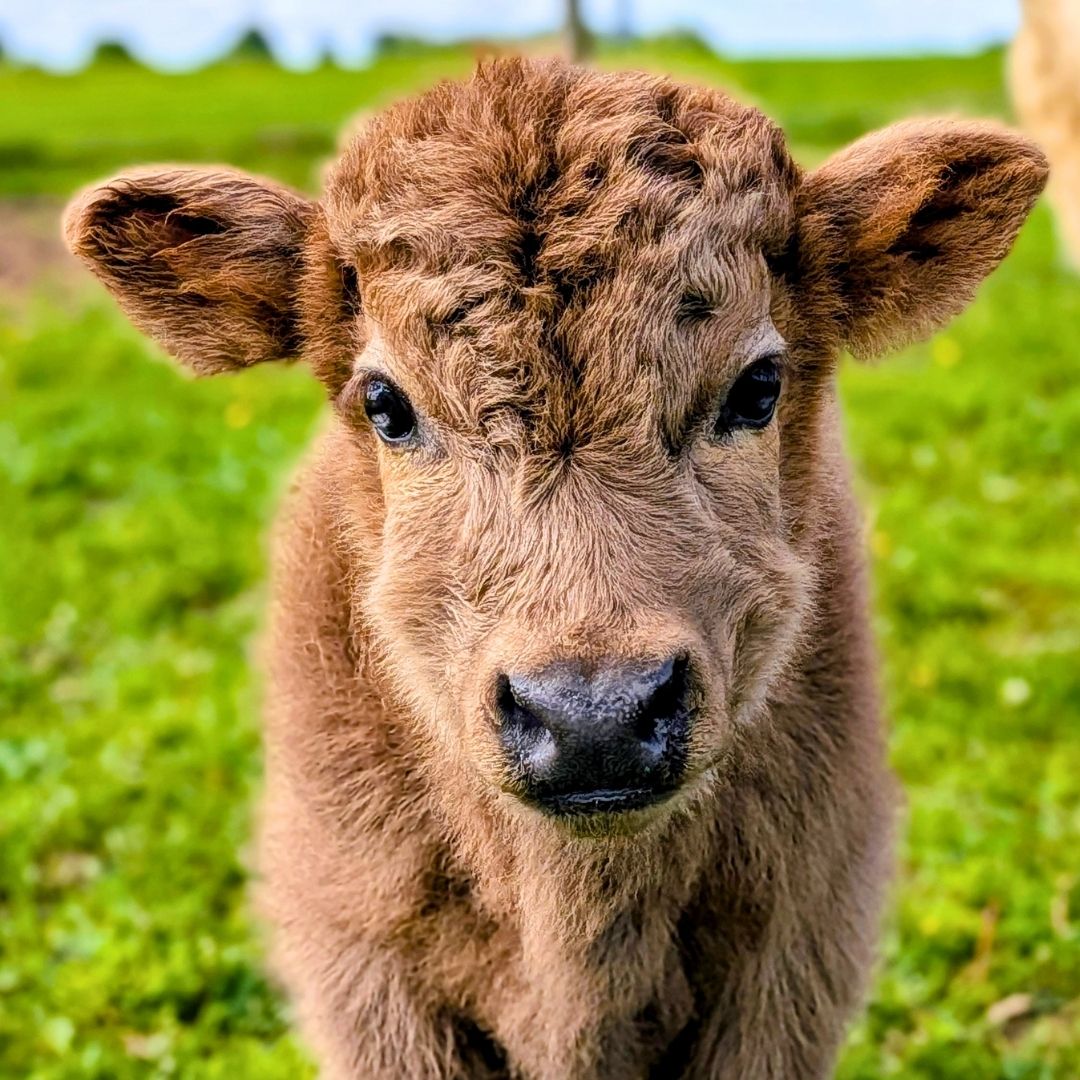
Westley is a striking grey calf who is expected to mature into a beautiful dun colour. He has a thick, fluffy coat, petitie features, and exceptional Rocking L Ranch lineage. With his outstanding temperament and strong genetics, Westley has all the qualities to become an impressive herd sire or a cherished pasture puppy in the right home.

DOB: June 1, 2026 
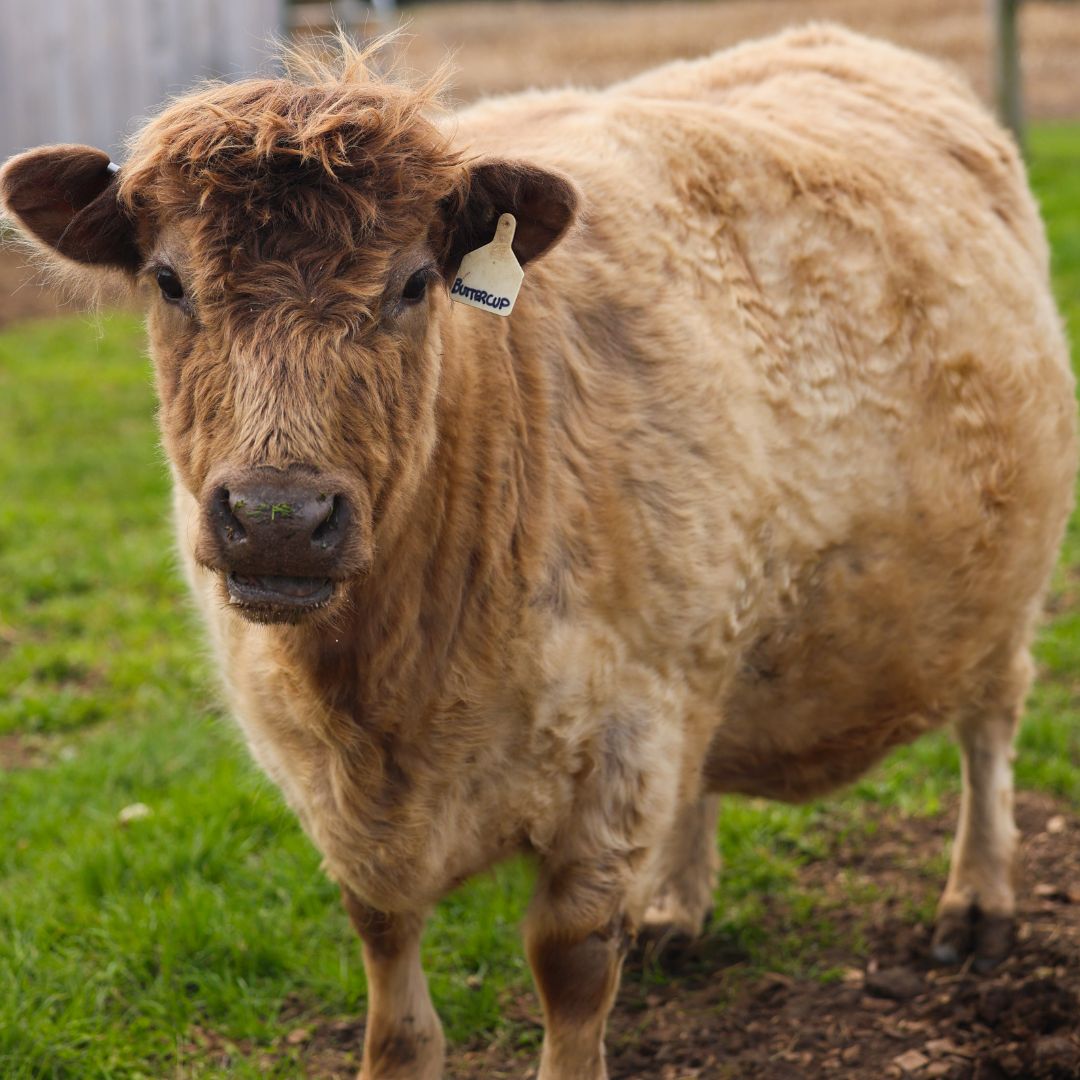
Dam: Princess Buttercup  
Sire: Ice Cream (Rocking L Ranch) 
Breed: Highland
Sex: Bull – $22,500, Steer – $16,500
Colour: Grey/Dun (Black dominant with wild type and Dh/N dilution variant)  
Chondro Status: Positive 

Currently with Mom. He will be ready for new pastures once weaned at 5 months old. 

Placement Policy

We’re passionate about where our animals go. That’s why we do not sell our calves to petting farms or travelling zoos. These environments often over-handle animals and compromise their well-being. Instead, we seek homes where animals are cared for with respect and companionship.

  • A full sized Scottish Highland Cow ranges from 1,100lbs (female) to 2,000lbs (male) and typically measure in at around 48″ tall. 

  • A micro or mini cow can range from 500-800lbs and is under 36″ and up to 42″ in height. 

  • The difference between Micro and Mini is a Micro typically tested positive for the Chondro gene. Please note it is possible for a cow to still be growing after 3yrs old. It is also possible for a Micro cow positive for the chondro gene to grow taller than 36″. No breeder can 100% accurately provide you the final height of a calf. Height categories provided at birth are estimates by looking at parents sizes, birth size and chondro status. 

  • Breeding is done in several ways: Natural breeding with a bull and a cow that is in heat, AI (artificial insemination of semen to a cow or IVF (Invitro fertilization – having embryos from our cattle or purchased embryos, that may be implanted into surrogate cows). 
  • We use a variety of methods for diversity, for the outcomes of the calves and the health of our mini and micro highland cows. All of these methods are done in conjunction with vets, technicians, nutritionists and our team for the highest level of care for their individual needs
  • We also raise calves in a variety of ways. Some are kept with Moms who are proven to be good mothers and calm around handling, and some calves may be bottle raised. 
  • Our herd is raised on pastures, supplemented with hay and grain when required, and have access to shelters year round. Younger cattle may also be housed in our heated barn during inclement weather. 
  • Calves that are sold will be ready to go to their forever homes at approx 5 months old. They go through the process of weaning at 4 months and then have an adjustment period and additional work with our team so they are ready to leave. 
  • Calves get selenium, first defense and any other vitamins, minerals & vaccinations they may require prior to leaving the farm.  
  • Once you have selected your calf, we require a contract to be reviewed and signed. We require a 25% non refundable deposit to take the calf off the market. Final payment is due prior to picking up the calf and before it leaves the farm. 

  • For male calves, we need to know if he is to be a bull or a steer, so we can have this procedure done. 

  • We don’t typically dehorn. If this is something you require, it would be an extra charge. This needs to be done within a certain timeframe. 

  • We send update pictures and/or videos while the calf is in our care. Your calf will be ready to go by approximately 5 months of age, after weaning process is complete. 

  • We complete all necessary vet checks, vaccinations and provide your cattle tags and a halter.

  • You are responsible for transporting the calf and once the calf leaves the farm it is your responsibility.  

  • If the calf needs to stay beyond the agreed upon pick up date a daily charge of $10/per calf per day will apply for feeding, housing and care. 

Please do thorough research before bringing cattle onto your property, as this is not an exhaustive list of their care requirements. Before purchasing cattle, make sure you understand the ongoing costs, time commitment, handling requirements and local regulations involved in keeping them safely and responsibly.

  • As a general guideline, you should plan for approximately one acre of pasture per cow, and potentially more if you intend to use rotational grazing. The amount of land required will also depend on pasture quality, climate, herd size and how much supplemental feed is provided.

  • Cattle need access to a sturdy, weatherproof shelter where they can get out of wind, rain and extreme weather. 
  • They must also have reliable access to clean water, good-quality hay and appropriate minerals. Depending on their age, health and body condition, some cattle may also require supplemental grain.
  • Pasture fencing should be strong and secure. Barbed wire is not recommended, as cattle may lean against or rub on fences and posts. Providing designated scratching areas can help reduce damage to fencing. This can be as simple as securely attaching a stiff-bristled brush or broom head to a solid post.
  • You will also need access to a veterinarian and an experienced hoof trimmer. In addition to emergency care, cattle generally require routine health checks, annual vaccinations and regular hoof care. Depending on their condition and environment, they may also need deworming or treatment for lice and other external parasites.

  • Mini cattle are a big investment but you should never just have one. Herd animals require other animals like them for safety, well-being, socialization and comfort. Your pet dog doesn’t count as a companion animal for a cow. 

WESTLEY'S PARENTS

Dam -

Princess Buttercup

Micro/Mini Highland
Dun coloured
Chondro negative

Sire -

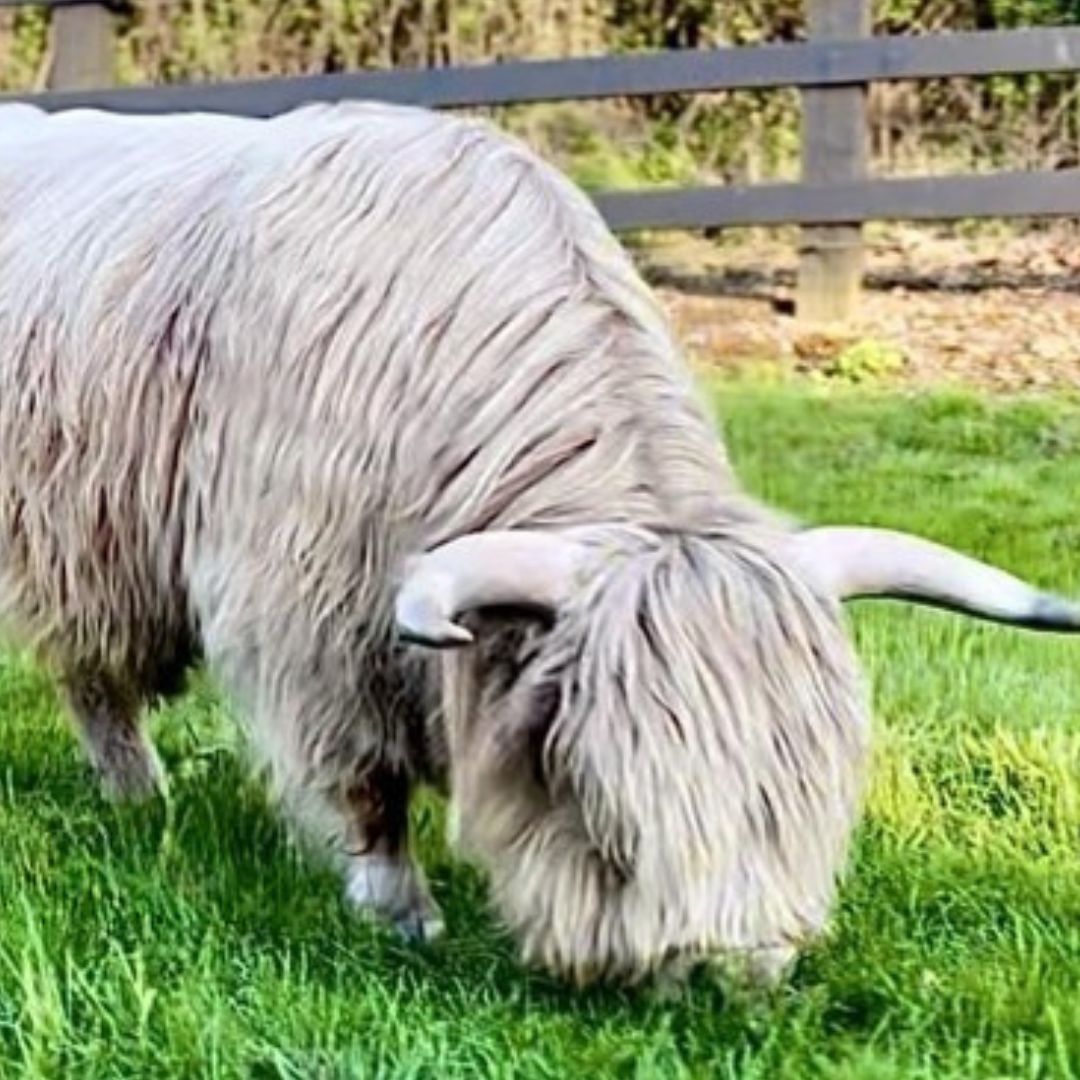
Ice Cream

Super Micro Highland
Silver
Chondro Positive

INTERESTED IN WESTLEY?