


Welcome to the Tower of Goats Discovery Trail

Your interactive trail guide starts here!

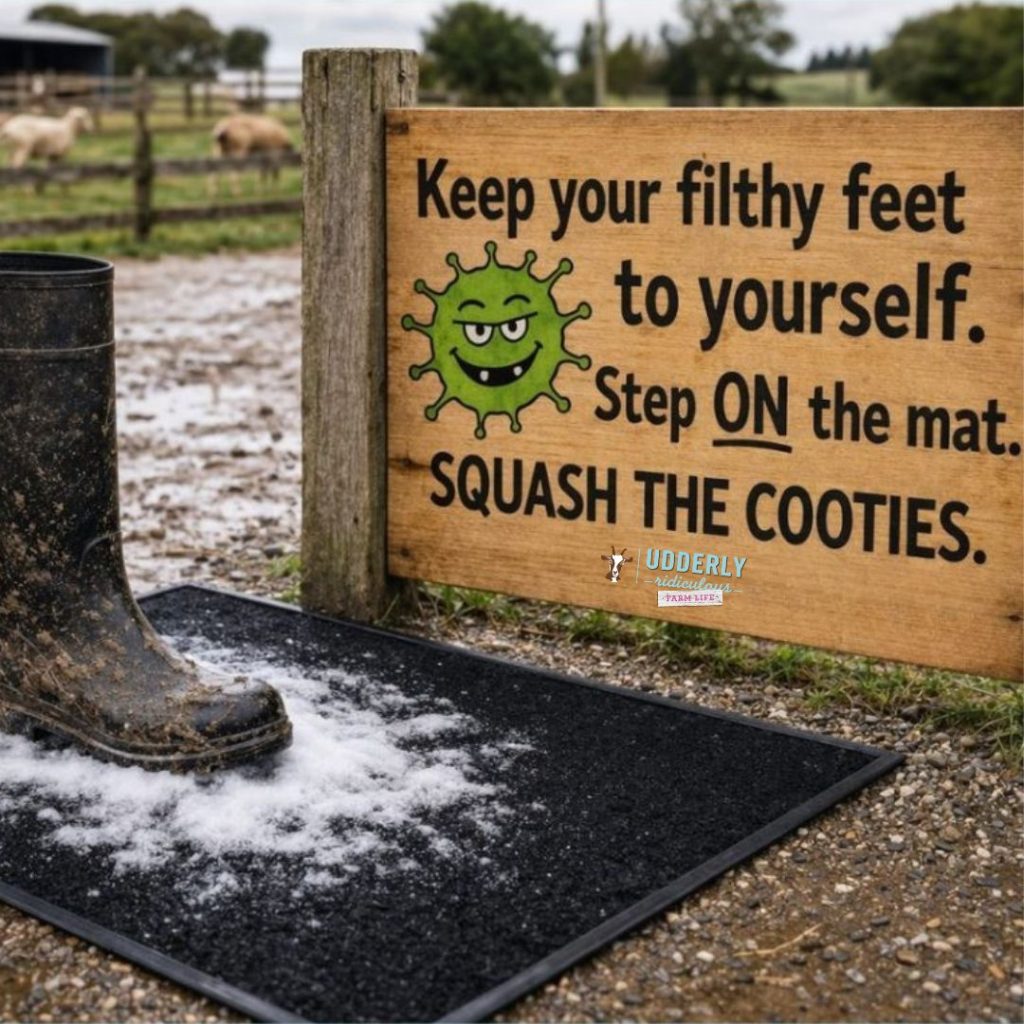
So, What's With the Foam?

How the Foam Works

The foam station isn’t just for show. It’s a specialized disinfectant designed to reach into the nooks and crannies of your shoes, where a simple wipe-down wouldn’t get to. By taking those few seconds to squish your shoes on the mat, you’re helping us keep the cooties away! It’s the easiest and most effective way to make sure the only thing you’re bringing into the farm is your enthusiasm (and your camera!). 


The Secret Life of Your Soles

Your shoes are basically magnets for microscopic organisms. (What the heck is that?) It’s just fancy words to describe tiny invisible bacteria and viruses. Every time you walk across a parking lot, a trail, or a lawn, your shoes are picking up a fresh collection of whatever has been there before you.

You know that whole COVID thing where you got sick and missed a whole week of life? The one where you couldn’t breathe through your nose, everything tasted weird, and you watched Netflix all day? That lovely experience starts with germs hitching a ride into places they shouldn’t be – like your home. Our farm is our animals home. 

Because our animals live in a controlled environment, they haven’t built up an immune system for every random bacteria or virus living in your neighborhood or that other farm you visited. Something that is completely harmless to you on your shoes can be a major health crisis for our animals if it hitches a ride into their living room. So the next time your mom tells you to take off your shoes at the front door, listen! (She’s always right). 

The Legend of Rhett & Muriel

Life in the Slow and Shaggy Lane

Calling a 800 lb animal “mini” may not seem right, but in the world of cattle, these guys are the VW Beatle of cows. Their iconic look isn’t just for the Gram. That shaggy outer layer and soft undercoat create a thermal seal that keeps them perfectly cozy in a blizzard. In fact, they’re much happier in a snowstorm than a heatwave.

Each of our cows have a personality as distinct as their hairstyle. Some are social butterflies who will follow you for a head scratch, while others prefer to maintain a stoic, majestic distance where they like you to admire them from a distance. 


A Love Story for the Ages

We can’t talk about our herd without mentioning Rhett and Muriel. In 2025, they made there undying love official in the first ever cow wedding in history. It was a day of high fashion, mud and lots of frolicking.

The story didn’t end at the altar either. In March 2026, the happy cow couple welcomed their first calf, Baby Joe (named after Cheryl’s Grandpa). Joe is currently learning the family business of being adorable and figuring out how enjoyable head scratches can be.

Get up Close with  the Highland Moo-Crew

In this experience, not only will you learn about them, you’ll get to spoil them with attention. Brush, pet, hand-feed, get selfies and show them all the love they could ever dream of! Get to know our fluffy family of micro and mini Highland cows and their full sized Highland friends during The Original Highland Cow Experience.

For a Limited Time Only: Meet Our Freshly Baked Fluffy Babies

Our newest baby cows are arriving, and they are as soft, playful, and adorable as you’re imagining (maybe more). Come visit the farm and see them up close while they’re still little.

The Penthouse of the Pasture

Canada’s Only Goat High-Rise 

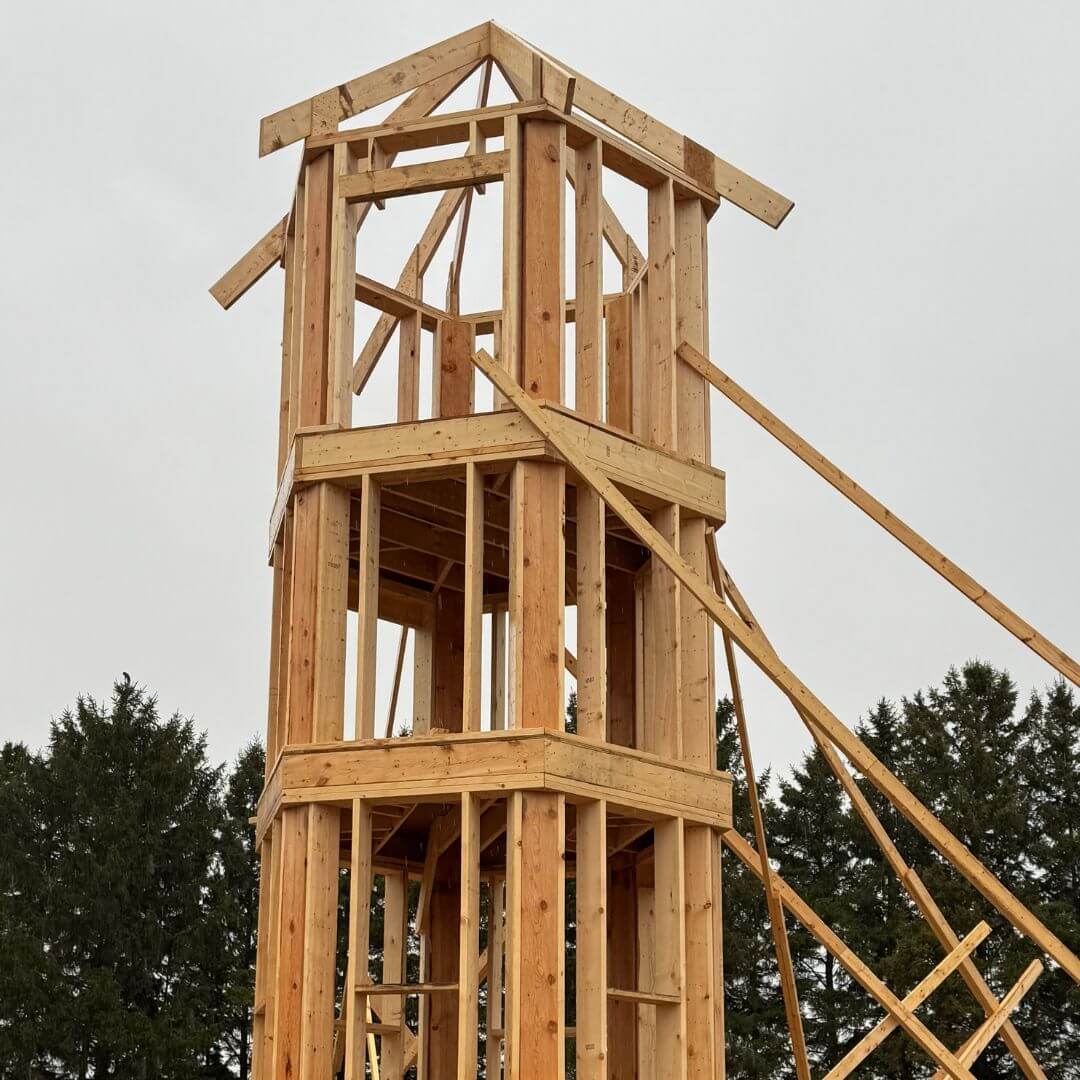
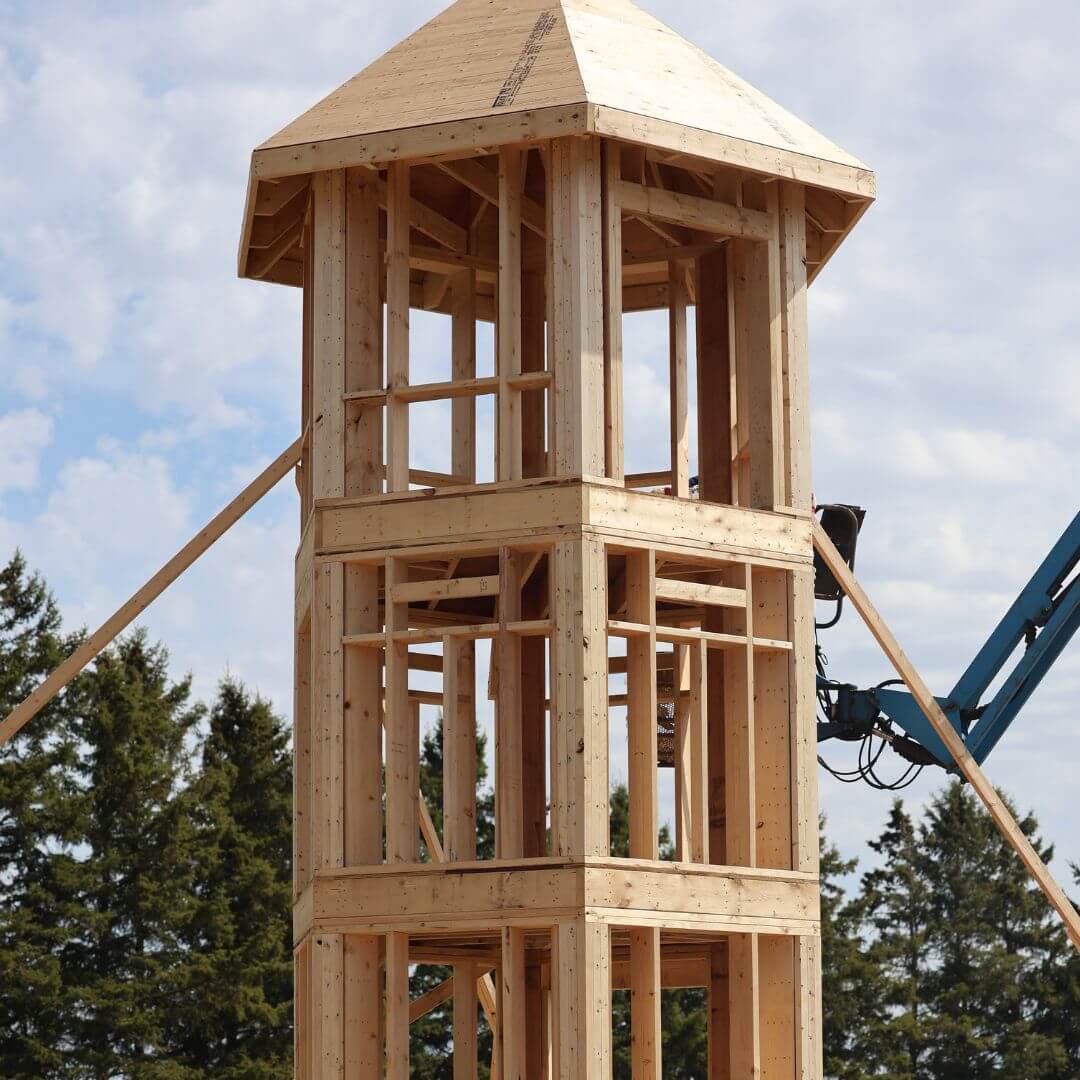
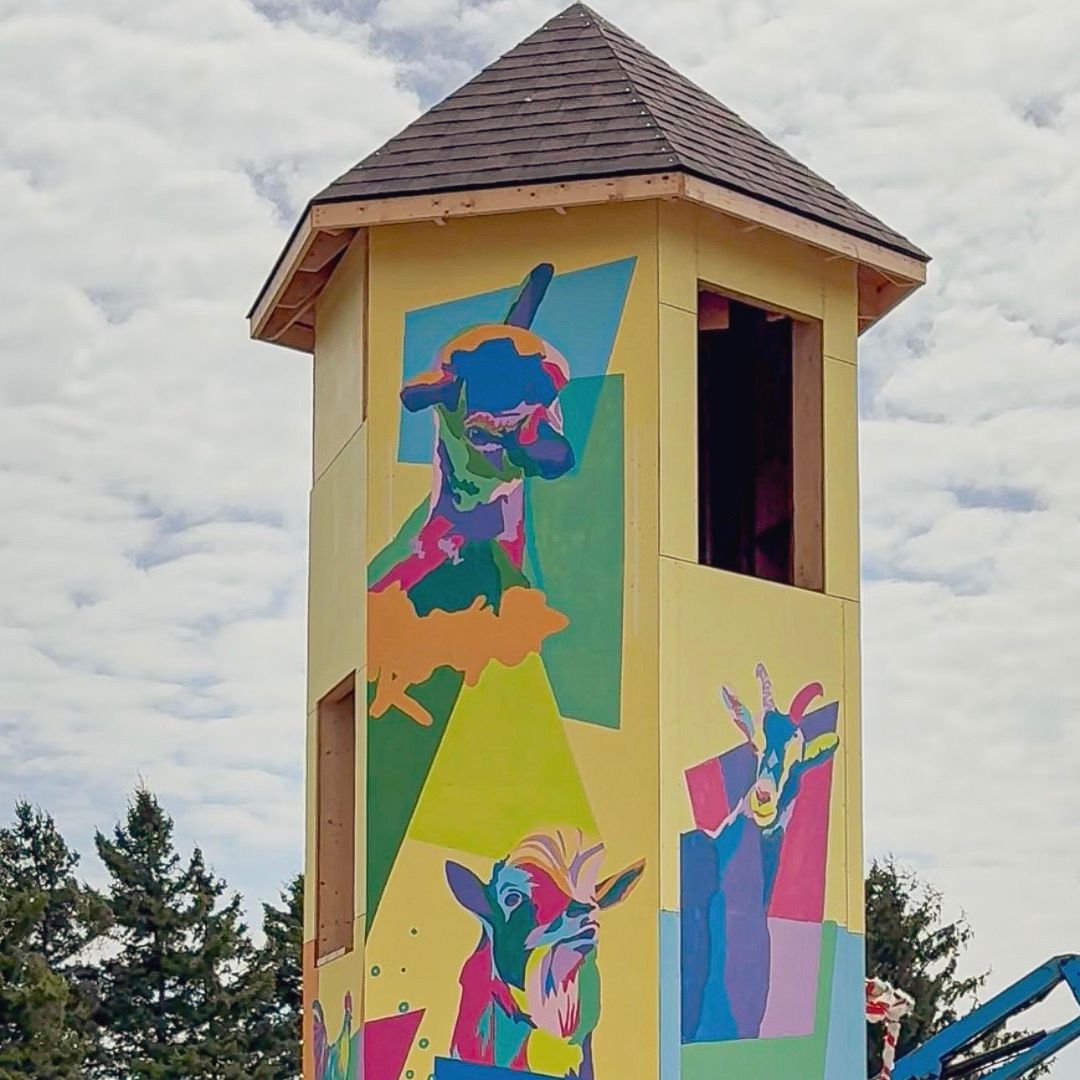
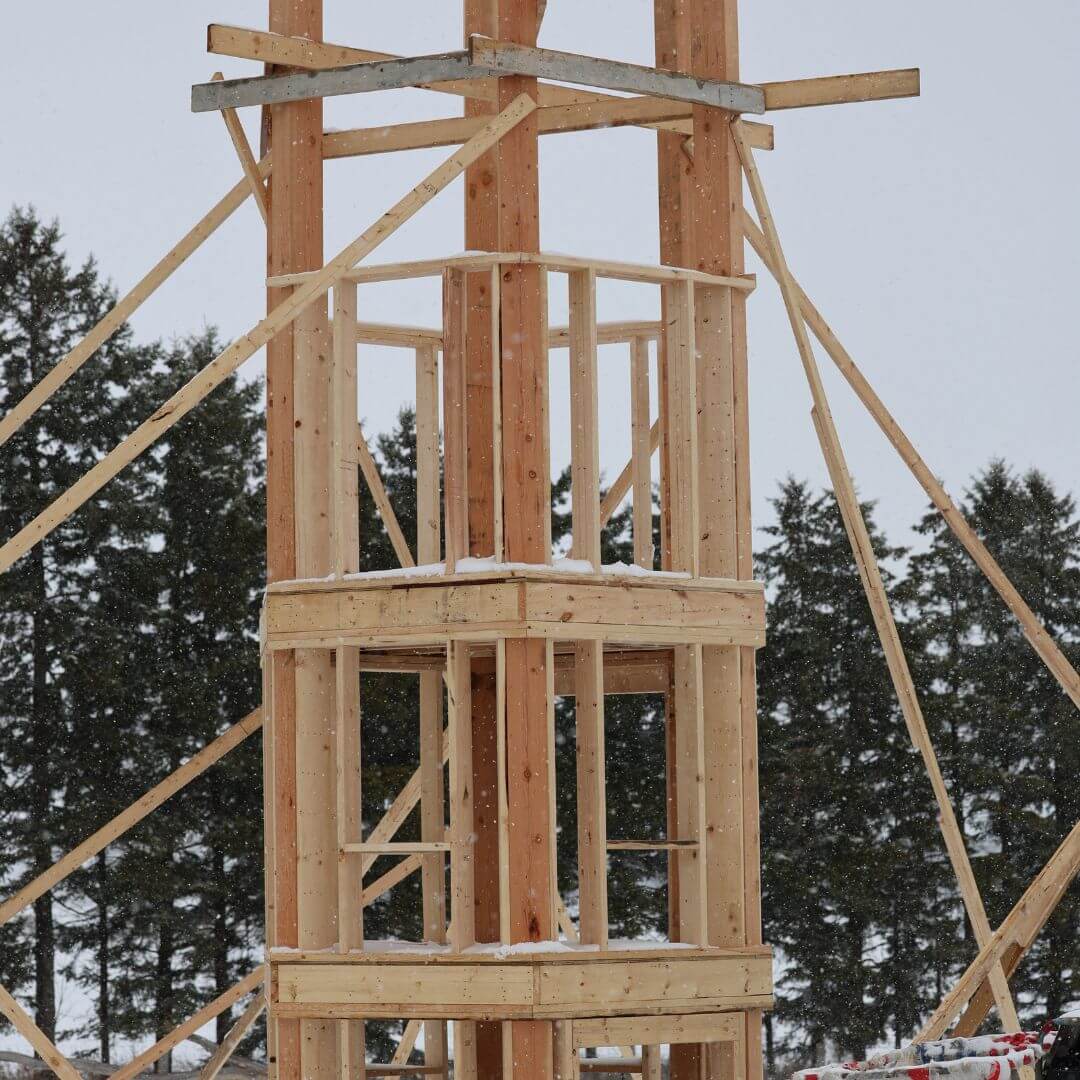
Welcome to the G.O.A.T. Launched on May 2, 2026, the Tower of Goats is one of the most unique farm attractions in the country. There are only 7 known goat towers in the world and ZERO with a custom art installation, making this one of its kind in the world. The Tower of Goats isn’t just a stop on our trail, it’s the inspiration behind the entire trail experience. It’s a space where our herd can climb, balance, and perch while surveying their kingdom with the best view on the farm. Watching them scramble to the top with Olympic-level agility proves one thing: if it isn’t ridiculously high, it simply isn’t good enough for our goats. 


Why a Tower? Because Flat Ground is Boring. 

In the wild, goats are natural-born climbers who prefer steep cliffs and dizzying ledges that would make most humans nervous. To a goat, flat ground is essentially a 1-star environment that they would not recommend to friends. They have a biological need to be up high. At 28 feet high, this is more than just a structure. It’s an architectural masterpiece designed to answer one very important question: What happens when you give goats a three-story spiral staircase with rooms on each level?

(Our guesses involve zero calm behavior and a whole lot of chaos.) 


Why Paint the Tower?

At Udderly Ridiculous Farm Life, we take a firm stand against traditional petting farm and zoo models where animals are confined to small spaces and subjected to constant handling and over-feeding. These environments often lead to overstimulation, poor health, and unnecessary stress. We can and should do better. Every animal on our farm is a team member and is treated that way. They need breaks, they need personal space, and they need environments where they can thrive. The idea behind this mural is that art is something we observe and appreciate.

As you continue along the trail, we invite you to carry that same mindset with you. Instead of feeling the need to grab or feed, consider the experience of simply observing. Watch the animals in their environment, with their companions, as they play, eat, rest, or wander over to say hello.

We welcome you to take on a posture of respect, appreciation, and wonder as you move through the trail.


So… did you conquer the tower questions?

How many different animals are on the tower mural?
There are 8 different types of animals featured: goats, pig, sheep, donkey, chickens, dog, cows, and a turtle – technically a reptile, but absolutely part of the crew.

Who are the people and animals on the mural?
Marg and Alvin Haskett, Twitch the bearded goat, Lickety Split the goat with her tongue always hanging out, Rhett the mini Highland bull, Hugo our special needs alpaca, Sassy the mohawk-loving alpaca, and Stanley one of our mini donkeys.

What crops are shown?
The mural features some of the crops grown in this rich farming region, including corn, wheat, hay, rye, soybeans, barley, wildflowers, and grasses.

Why is there a turtle?
The turtle is included as an acknowledgement that we farm on the land of Indigenous and First Nations peoples, the original stewards of this land. Turtle Island is a name used by many Indigenous peoples to refer to this land.

Meet the Artist

Sacha Taylor is the incredible artist behind the custom mural on our tower. She is a Canadian artist and brand muralist who launched her art career in 2020 when she introduced the world to a new style of abstract automotive artwork through her business, Taylor Art Garage. Her canvas art became the springboard on which she expanded into commercial and residential murals, where she found her true passion in creating large, eye-catching pieces that let companies lean into their branding in creative ways.

She sees murals as part of the experience, shaping how people feel the moment they arrive and creating something that stays with them long after they leave. That’s exactly what she’s done here. This piece was designed to reflect the spirit of the farm, honor the land, the animals, and the people who have come before. It’s a reminder that what you’re seeing today is part of a much bigger story and one that continues to grow with every season. If you're the kind of person who walked over, saw the tower and thought "okay this is cool" (because same), then it's doing exactly what it was meant to.

Sacha has become a specialist in her craft, designing one-of-a-kind, impactful murals that let you feel what an organization is about from the moment you step foot in the space.

You can explore more of Sacha's work at:
www.sachataylormurals.com
www.taylorartgarage.com

Meet the Builder

Sandhills Carpentry isn’t just building decks and trim—they’re the kind of team you call when you have an idea that makes other contractors pause and say, “you want to build… what?” Case in point: they built our Tower of Goats. From custom builds to full-scale renovations, Sandhills Carpentry takes on projects big and small with the same approach - thoughtful design, solid craftsmanship, and a willingness to turn bold ideas into something real (even if those ideas involve goats climbing a tower).

Led by Mathew Gamsby, a licensed Journeyman Carpenter with over 20 years of experience in high-end residential construction, the team brings deep expertise across materials, methods, and finishes. Whether it’s detailed interior work or large outdoor structures, they know how to make it look good and last.

If you’ve got a vision—standard or slightly unhinged—they’re the people who can actually build it.
www.sandhillscarpentry.ca


The Alpaca Surveillance Team

The Secret Language of the Herd

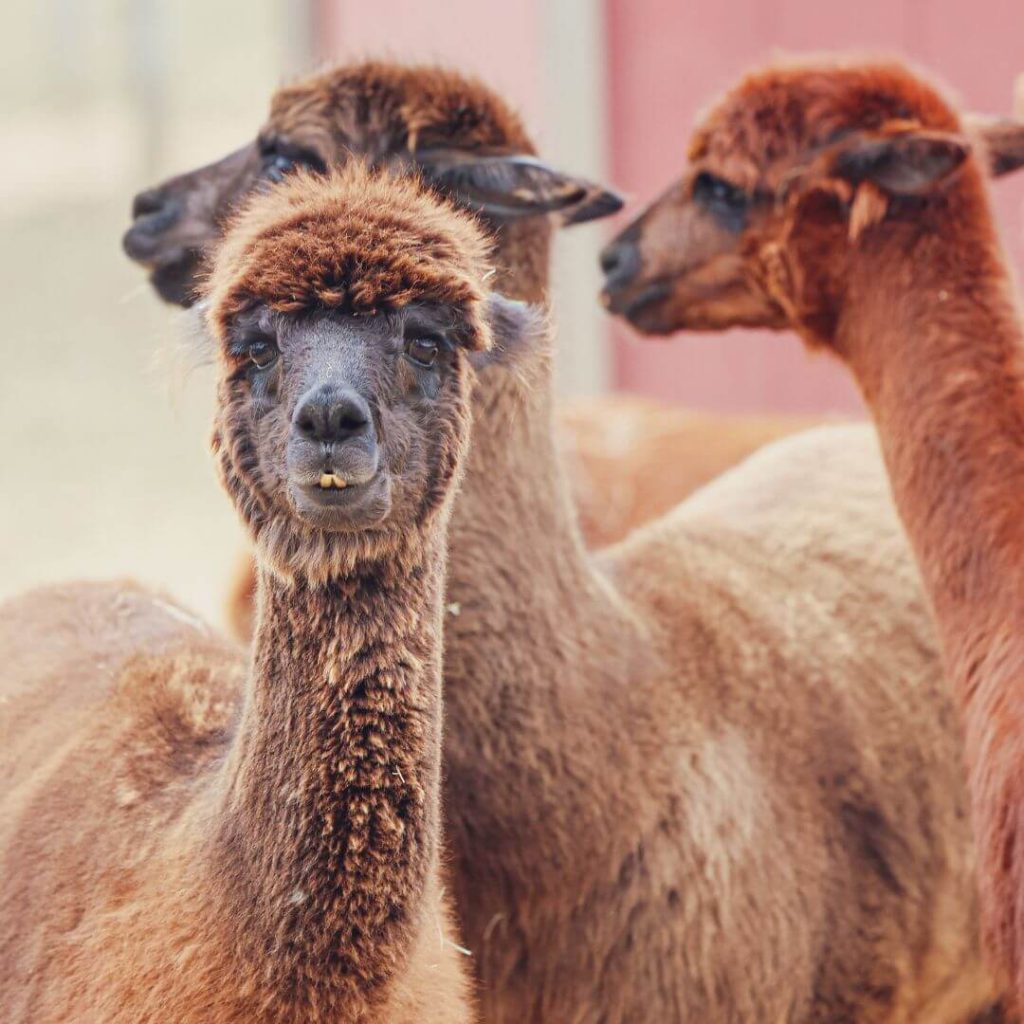
The female alpaca pasture operates like a world-class security firm. (Would you expect anything less from a highly intelligent female?) Everyone knows exactly where everyone else is, the babies (cria) stay close to their moms, and absolutely nothing goes unnoticed (Sounds about right, mom). If you feel like one alpaca is staring into your soul, it’s safe to assume three others are already peer-reviewing your behavior from the perimeter.


The Alpaca Alarm

If you can try to sneak your furry companion by our staff, but be assured if you do the alpacas will rat you out. Alpacas are nervous about animals they don’t know and will sound off an alarm to let all the animals (and our staff) know that they have spotted a scary intruder (even if it is a purse dog). Their alarm sounds a bit like a donkey and a bird had a baby and you will see every alpaca on the farm with their ears perked head up and staring in the direction of the perceived threat. Don’t bring your pet into the farm it scares them, and you will be evicted! 


Alpaca Fiber is the Gucci of Farm Fur

There’s a reason alpaca fiber is so coveted. Unlike sheep’s wool, alpaca fleece is hollow. This makes it incredibly lightweight but insanely warm. It’s a high-tech insulation for the Canadian outdoors. It’s like wearing two of your favourite winter jackets at the same time!  It’s also hypoallergenic and not itchy like sheep wool. Alpacas are quite literally a walking, breathing luxury blanket. Alpacas are primarily raised for their beautiful fibre – however they are also used for meat (mainly in South America). 


Anti-Social And Proud of It

While they look like they’ve been professionally styled for a high-fashion photoshoot, these ladies are not here for cuddles. They are calm, predictable, and deeply committed to their personal space boundaries. They aren’t trying to prove anything to you; they’re just maintaining order in their fluffy kingdom. (Sounds like every woman we know over age 40) Spend a few minutes watching them and you’ll start to see the dynamic: it’s a mix of maternal warmth and quiet, coordinated judgment. Slow down, match their vibe, and you might just earn a respectful hum of approval.

You Could be Hanging Out With an Alpaca Right Now!

Looking for a new career in bird-home architecture? Probably not, we promise it'll be fun! Come hand-feed our herd and use their luxury fluff to build sustainable nesting balls for your local birds. It’s eco-friendly, it’s adorable, and the alpacas will be watching your every move to ensure you don’t waste the "good stuff."

Eat Cheese in a Gazebo While Being Supervised by Alpacas

Premium local eats. Platinum grade staring contests. Indulge in the ultimate Ontario picnic as the golden hour hits. While you're munching on artisan meats and cheeses, our resident alpacas will be doing what they do best: standing nearby and making it weird.

Donkeys Have a Better Memory Than Your Ex

A Story Written on Their Back

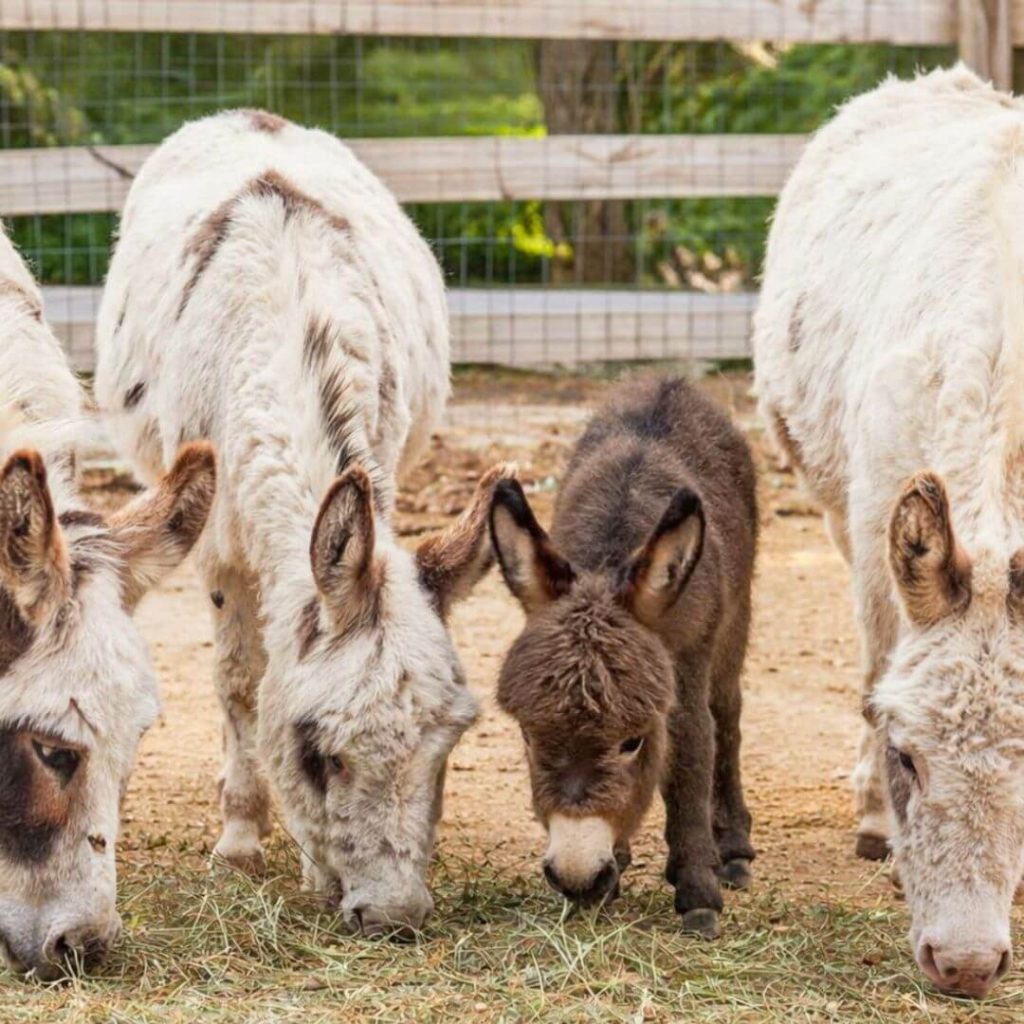
The donkey is the only animal in the world that has a dorsal and a shoulder stripe. This genetic mystery forms a cross on its back. The Legend of the Jerusalem Donkey (Nubian donkey) has become a part of the story of Easter. The Nubian donkey has a cross on its back because it was said that this was the ancestral breed that carried Jesus to Jerusalem on Palm Sunday. According to the legend, the donkey knew that Jesus was facing a trial and much suffering. Seeing the tragic event of Jesus’ crucifixion, the donkey wished that he had been able to carry the cross for Jesus and bear his burden. The donkey could not bear the sight of Jesus on the cross, he turned his head away and the shadow of the cross fell across his back and there it has remained as a reminder of the loyalty and humble love the donkey had for Jesus. The cross on the back of each Nubian donkey is different. No two are alike. Each donkey is defined by the cross they bear on their back. Even white donkeys bear the dorsal stripe and if it is not visible to the naked eye, it is in their DNA.


Inside the Mind of a Miniature Donkey

Donkeys are social and curious, but they operate on “Donkey Time”. A pace that involves observing, assessing, and deciding if you seem like a reasonable human being before they commit to a greeting. Where a horse might spook and run, a donkey will plant its feet and think. This “freeze and think” reflex is often mistaken for being difficult, but it’s actually a brilliant survival tactic. If they aren’t moving, it’s because you haven’t yet convinced them that moving is a good idea. It’s consistent, it’s logical, and it’s a level of boundary-setting we could probably all learn from.


The Loudest Megaphone

You will likely hear the herd before you see them. The donkey bray is one of nature’s most effective communication tools. It carries for miles and is used to signal everything from “I’m hungry” to “Look, squirrel”. It’s loud and it’s proud!


A Friendship That Lasts Decades

Donkeys are incredibly relationship-driven. They don’t just recognize you; they remember you in a “we’ve met before and I talked about you to my best friend after” kind of way. Because they can live up to 40 years, they form deep, soulful bonds with their humans and their herd-mates.

If you want to pass their internal review process, patience is your best friend. Let them come to you on their own terms. Once you’ve earned their trust, you haven’t just made a farm friend, you’ve made a companion for life.

Hug a Donkey. It's Cheaper thanTherapy!

Get up close with Stanley, Doug, JJ and Walter. Feed them their favourite treats and give them all the hugs, pets and attention they deserve. This isn’t a quick “look-don’t-touch” moment. It’s a fully hands-on experience. You’ll laugh, you’ll get the chance to slow down, and you’ll leave wondering why you don’t hang out with donkeys more often.

Lunchtime in the Donkey Kingdom

Skip the boring patio and grab a seat in our gazebo for the ultimate Ontario-sourced lunch spread. You’ll have the best local flavors in front of you and our resident donkeys wandering just a few feet away.

Sunset, Snacks, and Smart-Asses

Grab a board of local Ontario goodness and watch the sunset from the best seat on the farm. You’ll have peace, quiet, and a herd of long-eared eavesdroppers wandering just a few feet away.

Inside the Mind of Parkour Professionals

Certified Goat Yogi Instructors

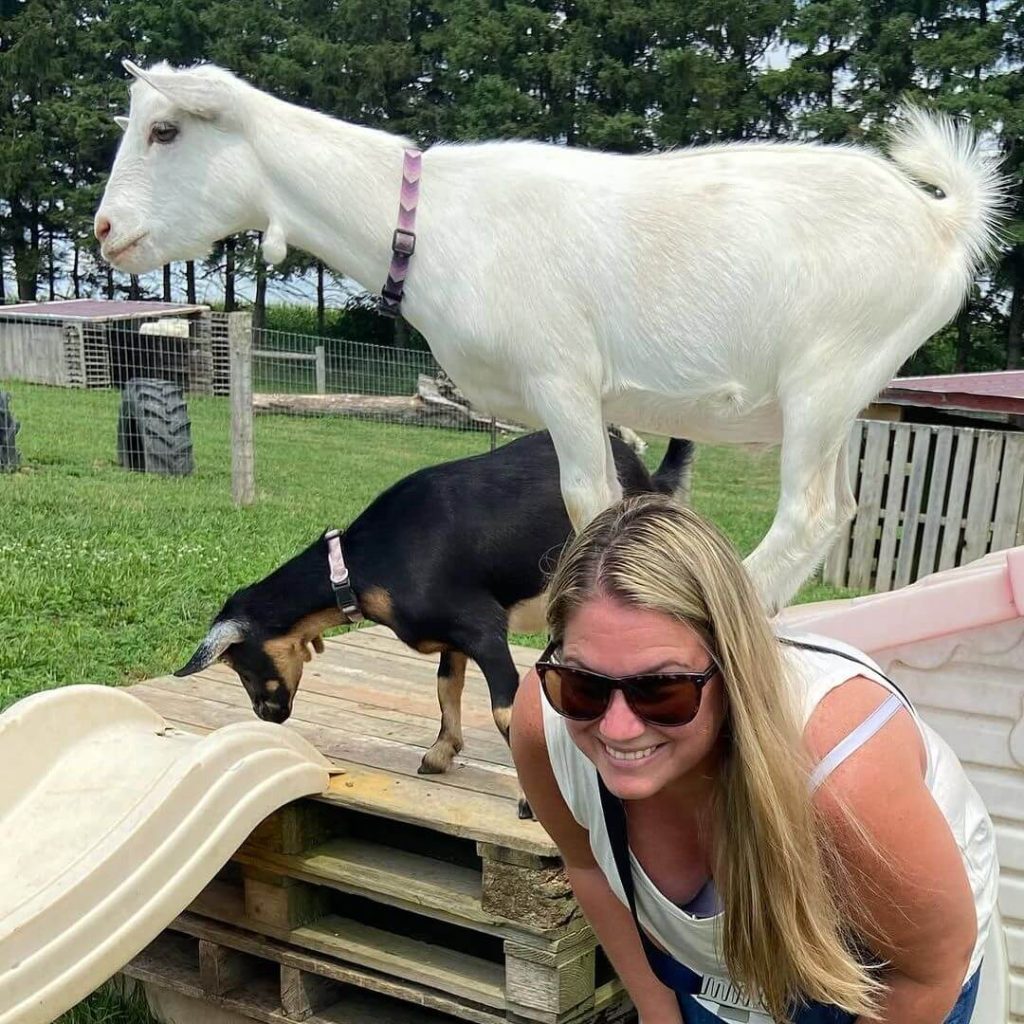
Some of our goats are certified GOAT YOGIs – highly skilled in supervising your form and balance. They’ll move with you from pose to pose, and some will even stay on all the way to standing… casually repositioning themselves onto your shoulders like it’s no big deal. Baby goats are called kids, and as we all know, every kid needs a really cool playground!


The 320-Degree Security System

Nature gave goats a very weird but important superpower: horizontal, rectangular pupils. While our round pupils are great for focusing on one thing, theirs act like a panoramic 4k camera. This allows them to see nearly all the way around their own bodies without turning their heads. It makes them nearly impossible to surprise and world-class experts at spotting a loose shoelace or a hidden snack from the corner of their eye.


The “Everything is a Mountain” Philosophy

To a goat, personal space is a foreign concept. They move fast, change direction for no reason, and view you as a mobile climbing wall. Don’t worry, you’re safe on this side of the fence! They have a natural, gravitational pull toward the top of whatever is nearby, whether that’s a rock, a bench, or your shoulders. If you were on an experience with them, you would likely become the next mountain they’d attempt to climb.

Have You Ever Seen Baby Goat Zoomies?

For a limited time, come get emotionally attached to our baby goats. Pet their ridiculously soft coats, soak up unlimited snuggles, and witness the magic of their wobbly first steps turning into full-blown baby goat zoomies. You will laugh. You will melt. You will not want to leave.

See the Kids Running Wild

We’re letting the herd loose, and you’re invited to join the mayhem. Whether they’re practicing their parkour off your shins or demanding head scratches like tiny, furry divas, it’s a total riot and you don't want to miss it.

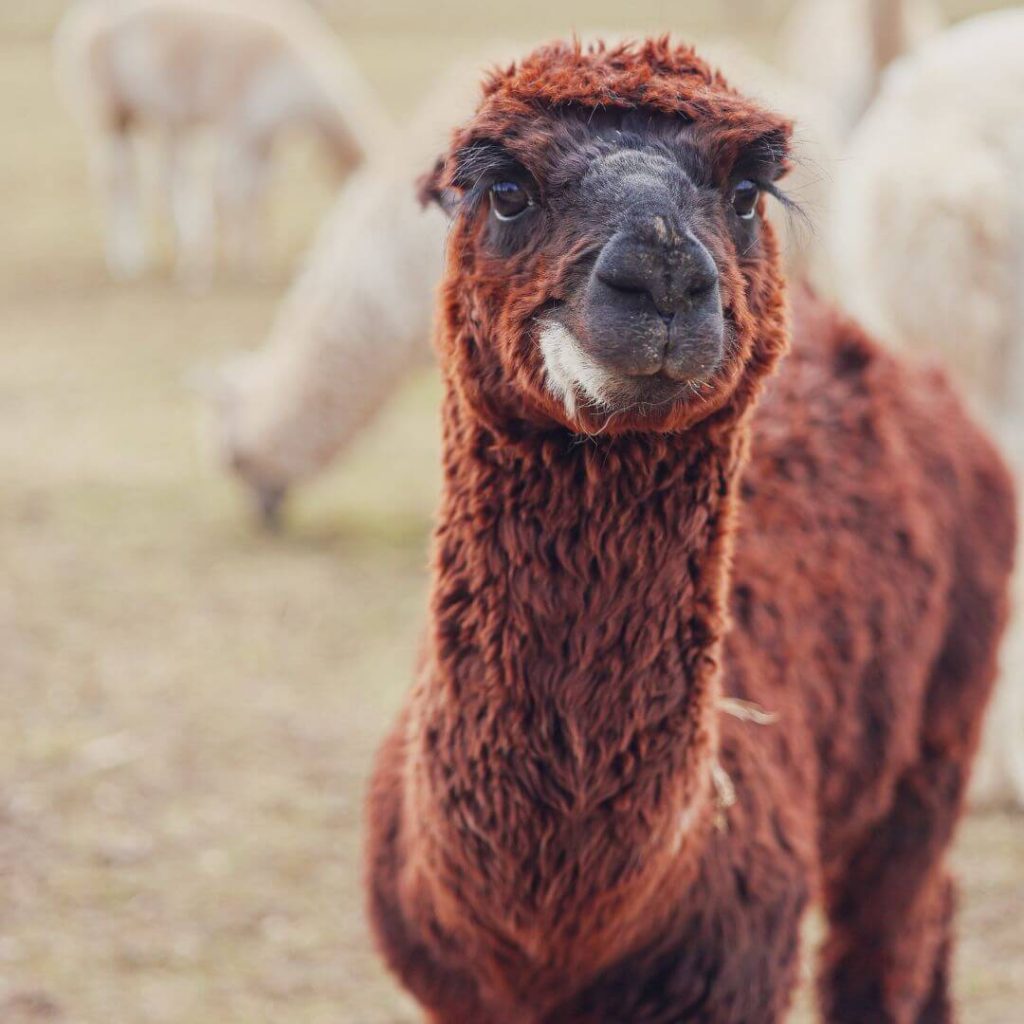
Alpacas are Cooler than Us

Spit Happens (Here’s Why)

Llamas and alpacas get a bad reputation for spitting, but most of the time, it’s misunderstood. Spitting is actually how they communicate with each other. It might be about food, space, or personal boundaries. Usually, there’s a warning first (ears back, a sound) and if that’s ignored, a well-aimed spit follows. If you ever get caught in the middle, you might just be an accidental bystander in their conversation.

They may also spit when they feel stressed or overwhelmed. Loud noises, fast movements, and crowded spaces can make them uncomfortable, especially in environments like fairs or small pens where they can’t get away. Here, we respect their space. When alpacas and llamas feel calm and safe, they’re much less likely to “say it with spit.”


Farm Royalty

Alpacas are basically royalty in the Andes Mountains in South America, where they’ve been hanging out for thousands of yearsUnlike their llama cousins who were bred to be the heavy-lifting pack mules, alpacas were bred specifically for their fiber. This means they are smaller, fluffier, and significantly more concerned about their personal brand than hard labour. 


The Communal Commotion

One thing you might notice is their communal bathroom habit. Alpacas are incredibly tidy (unlike your brother) and prefer to all go in the same spot to keep the rest of their pasture clean. They also have a unique foot structure. Instead of hard hooves, they have soft, padded feet with two toes. This makes them “eco-friendly” hikers because they don’t crush the terrain, and it saves them a lot of money on their pedicures.


The Highest Honor: The Cush 

If you see them dropping down onto their bellies with their legs tucked under, this is “cushing”. Congratulations. That is the highest honor a bachelor alpaca can bestow upon you. It means they feel safe enough to relax with you. Keep your vibes mellow, stay observant, and you might just earn their trust.

Take a Walk, But Better...Alpacas Included.

Swap your standard dog walk for a scenic trek through our fields with your very own alpaca BFF. It’s part peaceful nature walk, part hilarious bonding experience, and entirely better than your usual routine. By the end, you won’t just have taken a walk, you’ll have made a new, very soft friend. 

Brie & The Beast: Your Ultimate Lunch Date

Why eat lunch in a boring restaurant when you could eat under the supervision of an alpaca? Grab a seat in our gazebo and enjoy a spread of premium, all-Ontario charcuterie. These fluffy supervisors will roam around you, offer unsolicited advice on your cracker-to-cheese ratio, and possibly photobomb your selfies.

The Underground Underwear Buffet

The Science of the Shred

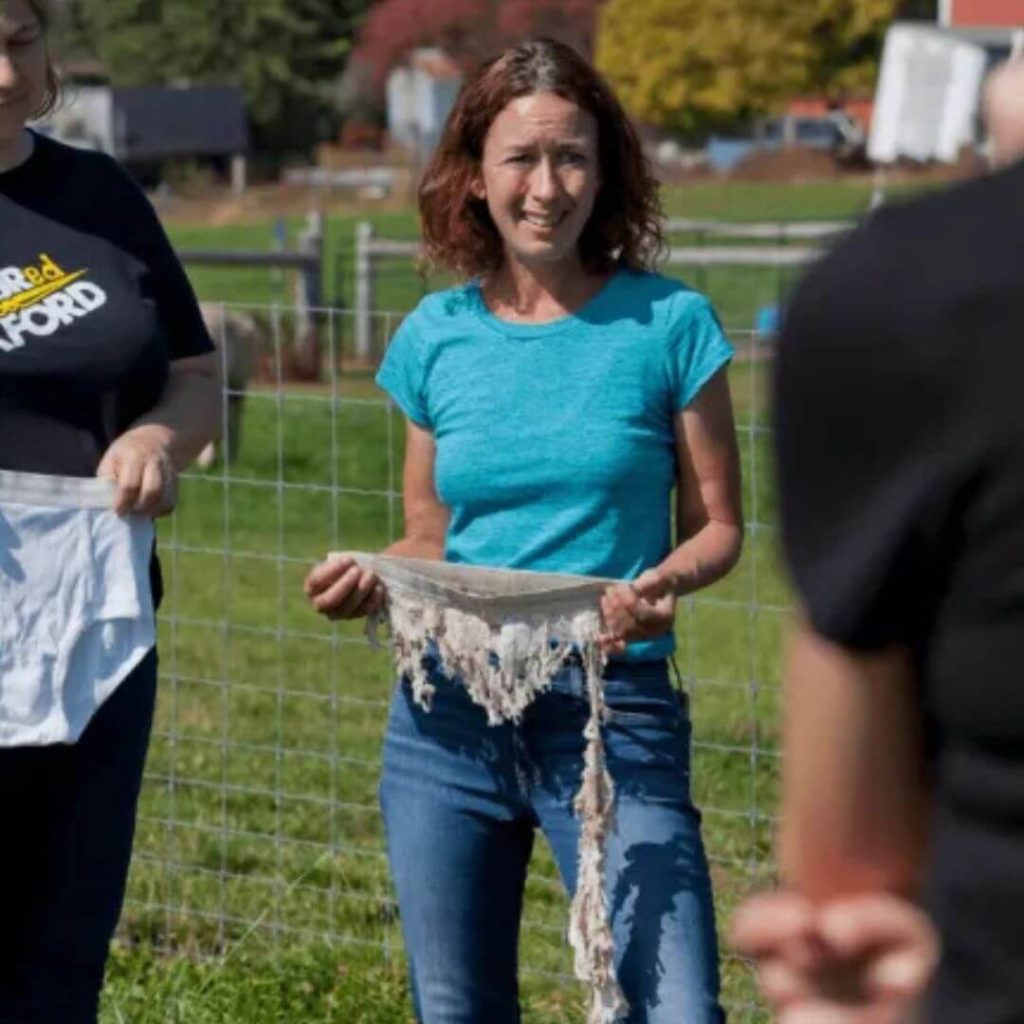
“Soiling your undies” is a real-world test used by farmers and soil scientists globally to. We aren’t just burying laundry for the fun of it (though it is pretty funny); we’re checking to see if our underground workforce is showing up for their shift. Healthy soil isn’t just dirt. It’s a living, breathing ecosystem and is crucial to the health of a working farm.


The Cotton Brief

100% cotton is made of cellulose, a tasty, carbon-rich snack for soil microbes. When you bury it, you’re basically ringing the dinner bell for billions of bacteria and fungi. If your soil is thriving, these microscopic residents will shred that fabric until there’s nothing left but the elastic waistband. If the soil is “dead” or lacks nutrients, the underwear will come out looking brand new. 


The Underground Labor Force 

It’s not just the bacteria doing the heavy lifting. You’ve got earthworms tunneling through, fungi weaving through the threads, and tiny insects acting as the demolition crew. This team is responsible for breaking down organic matter and turning it into nutrients that help our pastures grow. Without them, the grass wouldn’t be as green, and our animals wouldn’t have such high-quality snacks.


What Brand Works best?

It doesn’t matter! Whatever undies you’re willing to sacrifice that are a natural fibre like silk or cotton, and isn’t mixed with anything synthetic.


Try This at Home (Your neighbours may look at you funny, but do it anyways!) 

All you need is a pair of 100% white cotton undies, a shovel, and about eight weeks of patience.

Step 1: Dig a hole about 6 inches deep.
Step 2: Plant your “crop” (the underwear) flat in the soil.
Step 3: Mark the spot so you don’t forget where the treasure is buried.
Step 4: Dig it up in two months and see what’s left.

If you’re left with just a handful of holes and some elastic, congratulations! You have a thriving underground underwear buffet. If they’re still wearable… it might be time to start composting.

Want to Talk About Poop & Farming, and Work With the Animals?

Our award-winning Taste of Farm Life Signature experience is the ultimate way to dive into farm life: up close, hands-on, and packed with just the right amount of ridiculous. Hang out with curious alpacas, feed mischievous goats, meet our iconic Highland cows, and befriend mini donkeys. You’ll even learn why chickens are basically dinosaurs. Expect stories, laughs, and the kind of farm education you didn’t know you needed (yes, we will talk about poop).

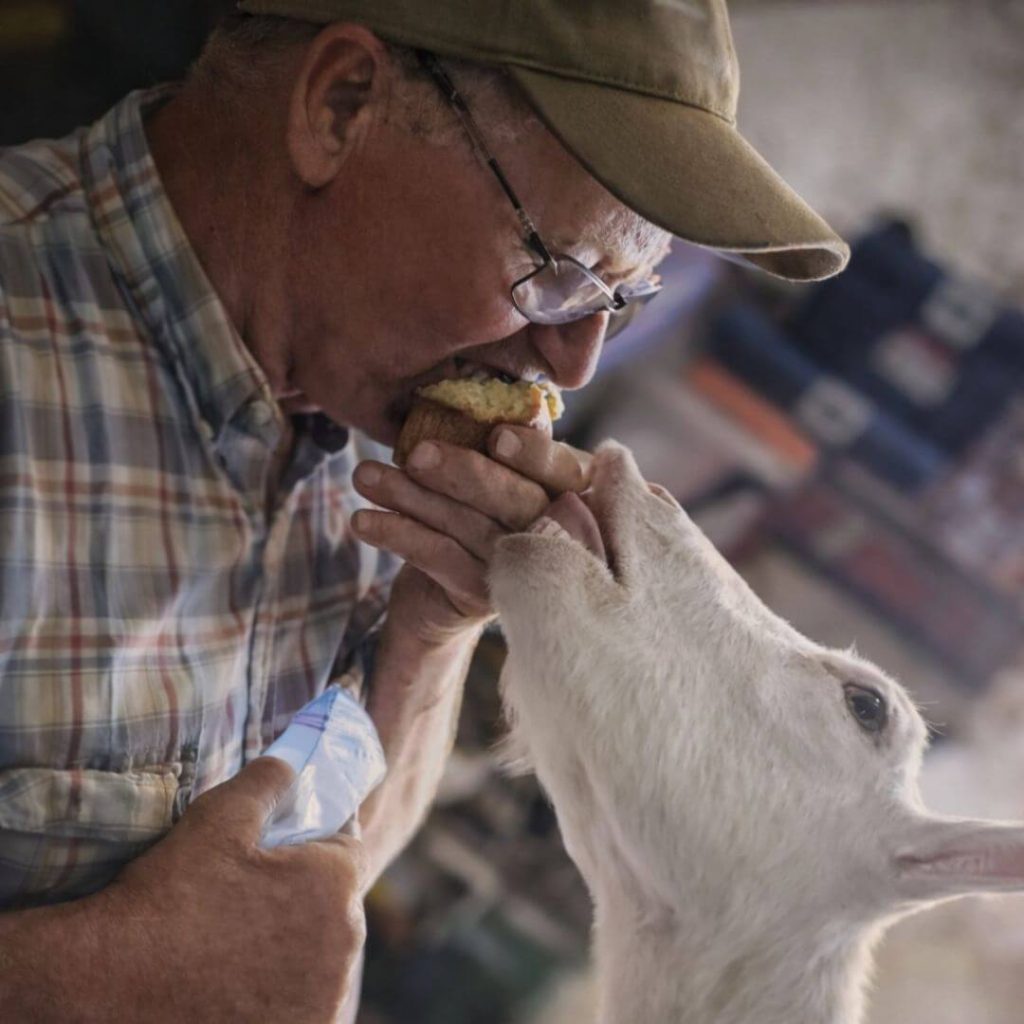
The Heart of the Land: A Tribute to Alvin Haskett

The Original Storyteller

Long before the goat tower or the ice cream, there was Alvin. To know him was to love him and that also meant hearing farm stories and scrolling through his pictures of his favorite goats. He was here six days a week, moving with the steady pace of someone who didn’t just work the land, but truly loved and cherished it. We always envisioned Alvin as our primary ambassador. The one who would lean against the fence, welcome you with a smile, and regale you with stories of three generations of farming. 


The Best Goat Friend Ever

Jumper is the goat pictured with Alvin. Jumper was Alvin’s favourite goat and he was her “person”. Jumper knew when it was coffee break time and would jump every pen to meet Alvin in the lunch room to share a muffin . She would even finish the paper wrapping (goats love paper!). This was an everyday routine for these two. Jumper passed away soon after Alvin did. Coincidence? We don’t think so. We think she just didn’t want to go another lunch break without her best friend. We suspect the two of them are creating stories and mayhem in heaven – and most likely farming. 


An Idea That Turned Into Something Bigger

What started as a slightly ridiculous thought about ice cream (Alvin loved dessert!), goats and yoga, turned into something much more meaningful because of the pandemic. Greg and Cheryl began building a vision to honour and carry on the family legacy by creating a diversified farm rooted in food production, education, connection, and memorable experiences.

That vision became more urgent in 2021, when Alvin was diagnosed with pancreatic cancer. Suddenly, “someday” wasn’t soon enough. They knew they had to bring the dream to life right away while there was still time for Alvin to see it, walk through it, and be part of it.


Not a Petting Zoo! (And Proud of It)

From the very beginning, one thing was non-negotiable: the animals come first.

“We are not a petting zoo” is a phrase Cheryl’s says constantly and a philosophy that shapes everything on the farm. In fact if you say those words you may see her face contort. Interactions are thoughtful, respectful, and designed to teach people the unique attributes and agricultural significance of each animal. There are boundaries. There’s intention. And that makes every experience even more meaningful. The farm welcomes honest conversation about agriculture, food, farming and animals. Nothing is off limits. Yes, even poop. Especially poop. 


A Legacy in Every Field

Though we lost Alvin sooner than anyone was ready for, his presence is woven into every inch of this property. This farm isn’t just a business; it’s a living tribute to a man who gave his life to this soil, the animals, and the community. Every time a guest learns something new about agriculture or laughs at a goat’s antics, Alvin’s legacy of sharing and joy continues. He didn’t get to see the grand opening, but we know he’s still here checking the fences and making sure the stories are being told. 


The Story of Hugo: A Legacy of Love

Hugos Favourite Game

We purchased three alpacas together, and one of them, Beijing, was pregnant when she arrived. Beijing went into labor prematurely and delivered a beautiful baby boy – Hugo. It became apparent very quickly that something wasn’t right. Premature alpaca babies are often identified by two key attributes: their ears don’t stand up, and they have a thick coating over their feet. Little Hugo was unsteady and not nursing. We placed Mom and baby in a small pen, doing everything we could to encourage him to feed. Eventually, we had to try milking Beijing (alpacas won’t let their milk down unless their baby is beside them) and bottle-feeding him.

Hugo was also showing signs of neurological issues. He couldn’t stand properly and kept going in circles. We rushed both Beijing and Hugo to the hospital, where they received round-the-clock care, medication, and support. By the time they were released back to us, Hugo still wasn’t actively nursing and was only taking small amounts from a bottle. Bottle feeding an alpaca – especially a male – is something we avoid unless absolutely necessary, as it can create serious behavioral challenges later. Thankfully, Hugo turned a corner and eventually learned to nurse from his mom.

Once he was a bit stronger, we moved him and Beijing back into the pasture—but something was still off. He continued walking in circles, and we suspected blindness. A specialized test confirmed it: Hugo was almost completely blind. We adapted.

We put a bell around Beijing’s neck so Hugo could learn that the sound meant “Mom” and find his way to her. In the evenings, we often brought them into a smaller space to keep him safe. During high winds or rainstorms, Hugo struggled to navigate, so we would carry him to and from the barn.

Despite everything, Hugo was an incredible animal. He was chatty, loving, and full of personality. We taught him the word “fence,” and we asked all guests to use it. If someone yelled “FENCE,” Hugo would immediately stop, reset himself, and avoid running into anything. It was incredible to watch. We even had a custom eye mask made to protect him when he did bump into things.

When Hugo was weaned and moved into his transition pasture, we put a bell on his friend RuPaul so Hugo could hear him coming. That way, when Ru charged in to play, Hugo could brace himself for the inevitable alpaca chest bump.

But his favorite game was one he played with Cheryl: “Come find me.” Cheryl and Hugo formed a special bond. Whenever she entered the pasture, she would call out, “Hugo, come find me.” Like a game of Marco Polo, Hugo would start humming the moment he heard her voice and slowly make his way toward her, finding her every single time.

Hugo’s impact was profound. Not just on people, but on the entire farm.

There is no better example than after his first blood transfusion. Hugo became critically ill and needed an emergency transfusion. We trailered five of our largest alpaca boys to see if any were a match. Two were, but the first transfusion wasn’t taking. We couldn’t sedate the alpacas to draw blood, which made the process incredibly difficult and stressful for everyone involved. Then Leroy stepped in. He stood still long enough for us to draw what we needed – just in time. When Hugo came home, we kept him quarantined to protect him from infection. One afternoon, when the main corridor was clear of guests, we decided to take him out for some fresh air and hay. Something extraordinary happened. As Hugo walked down the corridor between the pastures, every single animal on the farm came to the fence line. They stood there, watching him, as if cheering him on. And Leroy – the one who had donated his blood – stood guard at the corner of his pasture, facing the field where Hugo was eating. He didn’t move. He just watched over him the entire time.

There wasn’t a dry eye anywhere on the farm that day. There still isn’t when we tell this story. Hugo was an incredible gift.


A Different Kind of Strength

Every once in a while, an animal comes along who changes the entire energy of the farm. For us, that was Hugo. Born premature and completely blind, Hugo didn’t see the world with his eyes, but he navigated it with a courage that humbled everyone who met him. He was our “special-needs” alpaca, but to us, he was a daily reminder that being different isn’t a deficit, it’s a unique kind of strength.

Hugo was only with us for a short time, but he made every moment count. He taught us about patience, the power of a gentle touch, and how love doesn’t need a perfect set of circumstances to flourish. He wasn’t just a member of the herd; he was a teacher and forever a part of our farm family. 


A Legacy of Kindness

We believe that those we’ve loved and lost, are never truly gone. 

We invited you to share a memory, a word, or a kind thought in Hugo’s box. We take those slips of paper and compost them directly into the soil of this garden. As they break down, your words of kindness and love literally become the nutrients that feed the flowers, the bees, and help create new life of this farm. So in a way, Hugo is still looking after the farm. Through this garden, his spirit continues to support the ecosystem he loved. By standing here, you are now part of his beautiful story. 

And if you’ve ever felt different, out of place, or like you’re struggling, you’re not alone. Hugo reminded us that even the most “different” among us can leave the deepest, most meaningful impression on the world around them.

And maybe, the next time you’re having a hard day, or you’re not quite sure where you fit in, think of Hugo. Remember his strength, his way of showing up exactly as he was, and the impact he made just by being here. Carry a little of that with you. Because the parts of you that feel different, or make life a little harder sometimes, might just be the same parts that make you incredibly special. 

We hope you carry a piece of his resilience with you when you leave. 

The Tiny Giants: Life on the Pollinator Runway

Fed-Ex on the Farm

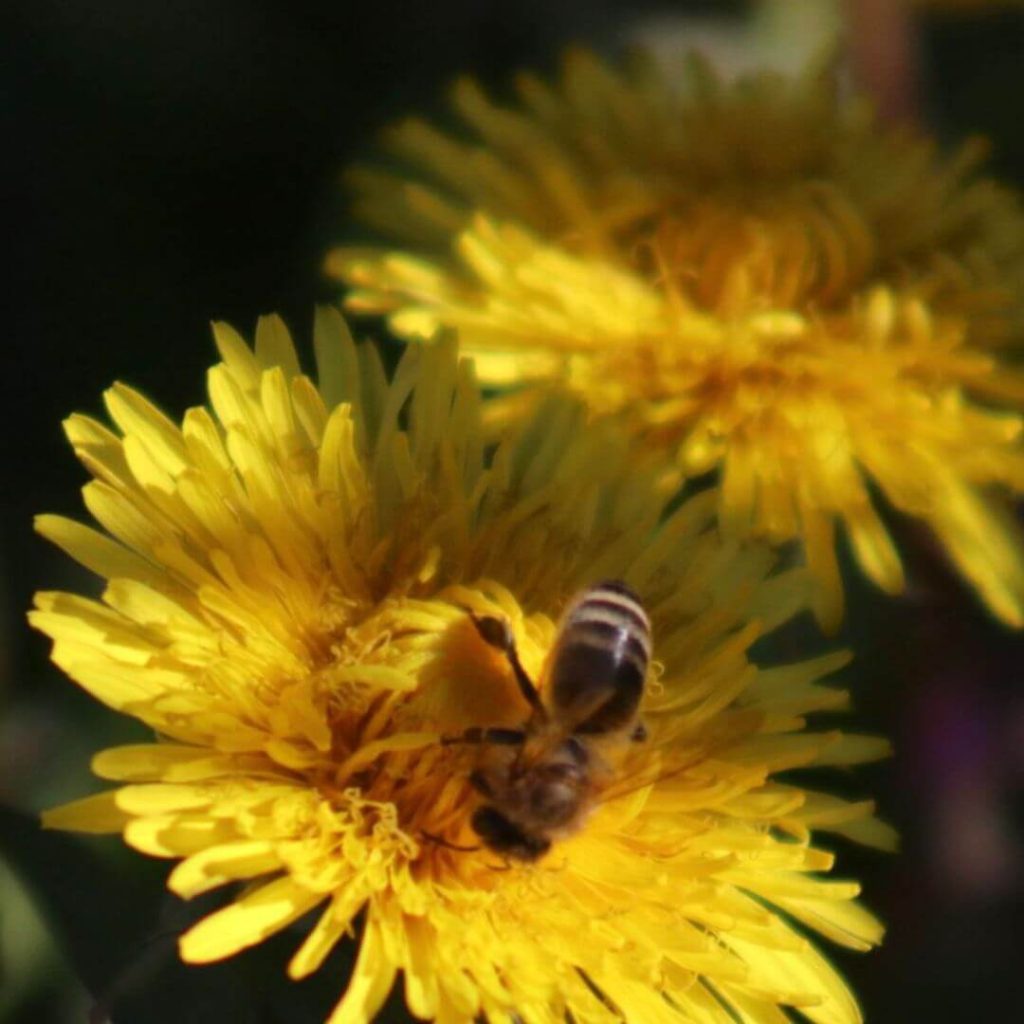
While our Highland cows and goats get a lot of the spotlight, the real “heavy lifters” of the farm are often less than an inch long. Our Pollinator Path is more than just a pretty garden; it’s a high-energy refueling station designed to support the local insect populations that keep our entire ecosystem in balance. Bees aren’t actually trying to help plants make babies. They’re just out for a meal. As they dive into a flower for a sip of sweet nectar, they get covered in pollen (the plant’s version of an Amazon delivery). When they fly to the next “restaurant,” they drop that package off. This accidental delivery is what allows plants to produce seeds and fruit. Without this, our grocery stores would be pretty empty.


Coffee, Chocolate, and Other Essentials

When we talk about “plant babies,” we’re talking about the good stuff. Around one out of every three bites of food you eat exists because of a pollinator. If you enjoy your morning coffee, your afternoon apple, or a piece of chocolate, you have a bug to thank. 


How to Support the Crew at Home

You don’t need a massive farm to help out. Planting native flowers, leaving a little “wild” patch in your lawn, and most importantly holding off on the dandelion-pulling until later in the spring, can make a world of difference. Your local bees will thank you!

The Wisdom of The Three Sisters

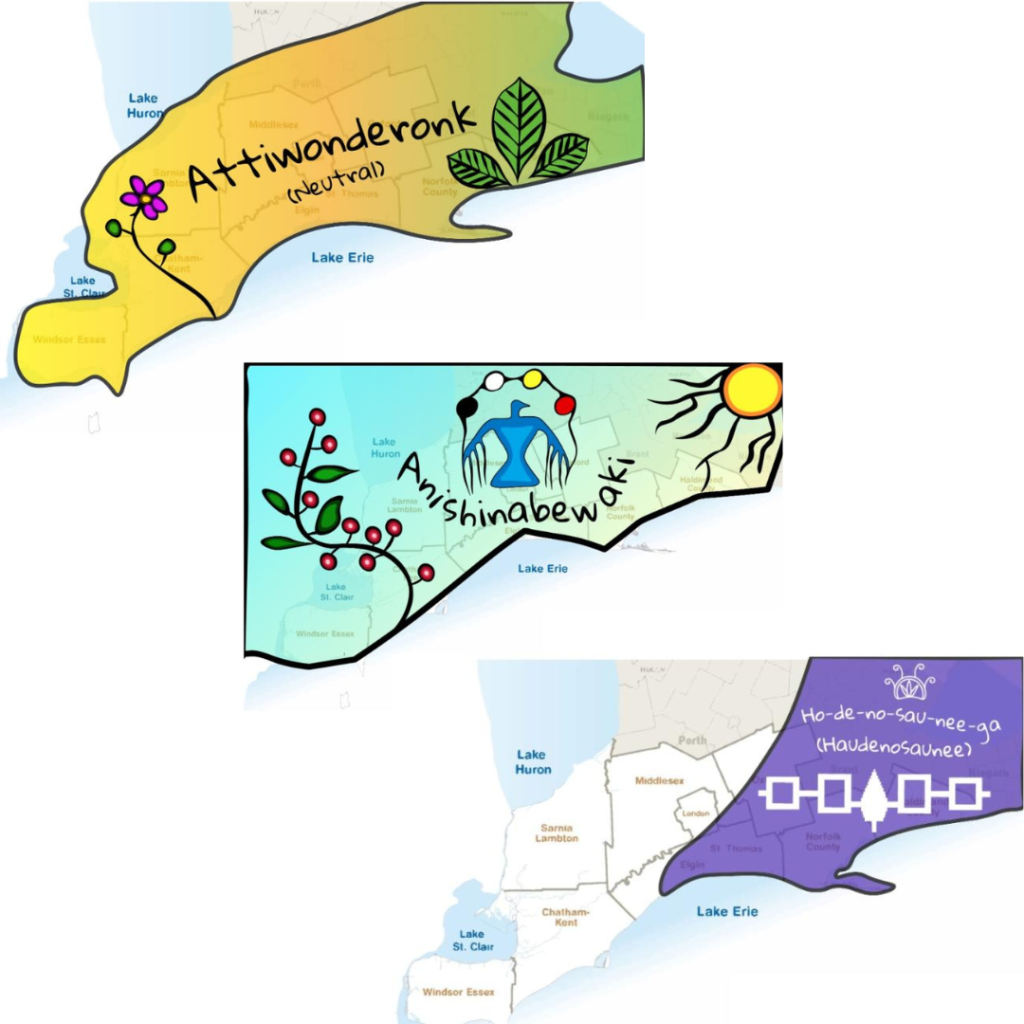
We acknowledge that this land in Bright, Ontario is part of the traditional territory of the Haudenosaunee Confederacy, the Anishinaabe, and the Neutral People, who were the original caretakers of this region. We honour their deep connection to the land, water, and all living things.

Farming didn’t always look the way it does today. It began as a way to feed families and support local communities. As populations grew and more people moved into cities, fewer people were producing food, so farms expanded, and systems became more industrial to keep up.

There’s no one “perfect” system, but understanding how we got here helps us ask better questions about how we grow food, care for animals, and support the land moving forward.


The Garden’s Bodyguards

Marigolds can help protect other plants from pests! They have a very strong scent and it can actually mask the scent of many of your vegetables, making them virtually invisible to insects like tomato hornworms, cabbage moths, and beetles. There is also some evidence that marigolds secrete certain compounds that repel other pests like aphids and whiteflies.


Strength in Diversity

The Three Sisters garden is a profound example of “companion planting” practiced by Indigenous peoples for centuries. It is more than just a method of farming; it is a lesson in cooperation and the interconnectedness of all living things. When planted together, these three crops produce more food and maintain healthier soil than if they were grown in separate rows.


The Tallest Sister: Corn 

The corn is the oldest sister and the physical foundation of the garden. By growing tall and sturdy, she provides the structural support needed by the beans. In a traditional Three Sisters garden, the corn is planted first, allowing it to establish a strong “spine” for the rest of the family to rely on.


The Giving Sister: Beans 

As the beans grow, they wind their vines around the corn stalks, binding the sisters together. But their most important gift is invisible. Beans are “nitrogen fixers,” meaning they have a unique ability to take nitrogen from the atmosphere and convert it into a form that plants can use as food. They essentially fertilize the soil from within, ensuring the corn remains strong and productive.


The Protective Sister: Squash 

The squash grows low to the ground, using its expansive leaves to shelter the soil. This “living umbrella” serves multiple purposes: it prevents the sun from drying out the earth, keeps the roots of the corn and beans cool, and creates a natural barrier that makes it difficult for weeds to take hold. In many traditions, the prickly hairs on squash vines also act as a deterrent to hungry pests.


A Sustainable Legacy 

The Three Sisters remind us that nature thrives when diversity is embraced. This ancient system is perfectly balanced, providing a complete range of nutrients for the soil and a balanced diet for people. By observing this garden, we can see how the most productive systems are those where every member contributes to the success of the whole.

The Guardian of the Goat Kingdom

The Professional Bouncer

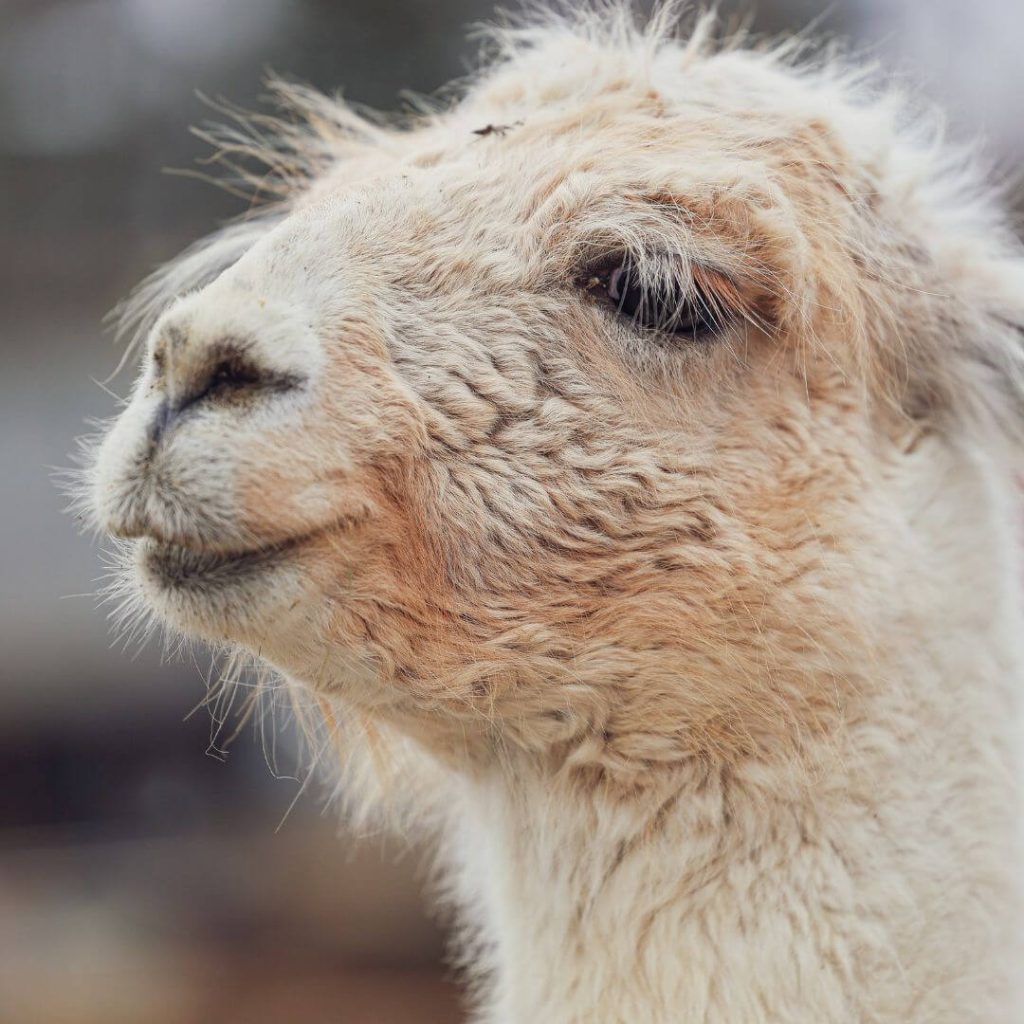
You might be wondering why there is a very large, very fluffy, and very silly looking llama hanging out with a bunch of crazy goats. Snickers isn’t just a resident; he’s the Head of Security. While goats are busy goat-ing, Snickers is on high alert. He is a natural guardian, and his job is to scan the horizon for predators, and decide whether you are a friend or suspicious.


Llama vs. Alpaca

People often confuse llamas with their smaller alpaca cousins, but their personalities couldn’t be more different. If an alpaca sees a strange animal, they’ll sound the alarm. If a llama sees a lion, they’ll put their head down and charge. Llamas are the “big brothers” of the camelid family: braver, bigger, and much more likely to stand their ground. Snickers is here because the goats are far too distracted doing parkour and head butting each other to watch for trouble.


The Science of the Sniff

When Snickers steps forward to inspect your forehead, he isn’t just being nosy. He’s conducting a high-tech data scan. Llamas communicate a lot through breath and scent. By offering him your forehead (and removing your hat), you are showing him that you aren’t hiding anything. A forehead sniff is the llama equivalent of a firm handshake. It’s his way of reading your energy and deciding if you pass the farm’s high level security clearance.


The Hat Thief

Snickers has excellent taste in fashion, especially when it comes to headwear. To a llama, a hat isn’t just clothing; it’s an intriguing toy (or a very bland snack) and he would love to liberate you from your hat. If you leave your hat within reach, consider it a donation to his summer collection. 


Consent Based Touching (yes – animals require that too!)

Despite his fluffy appearance, Snickers is a “look but don’t touch” kind of guy. As a prey animal and a guardian, a hand reaching for his face feels like a threat, not an “aww” moment. By standing calmly, keeping your hands at your sides, and bowing your head, you are speaking his language. You are acknowledging his obvious authority over the pasture.

The 3-5 Business Day Rule

If Snickers chooses not to approach you today, don’t take it personally (actually it is). Maybe the wind changed, maybe he didn’t like your scent (did you skip the shower today?), or maybe he’s just distracted by a beautiful alpaca in the next pasture. In the world of llamas, trust is earned, never given for free. If you’ve been deemed suspicious, take it as a sign to work on your zen. Come back and see if you pass the test on your next visit!

Do Goat Yoga. Laugh Until You Pee.

Need to work on being more zen?  This may not actually help with that, but it'll have you laughing out loud. You’ll move through a guided flow while a herd of goats wanders freely, climbs where they please, and often decides your back is the perfect place to hang out. Whether you’re here for the yoga, the goats, or just a reason to laugh harder than you have in a while, you’re in the right place. Just maybe don’t skip the bathroom beforehand.

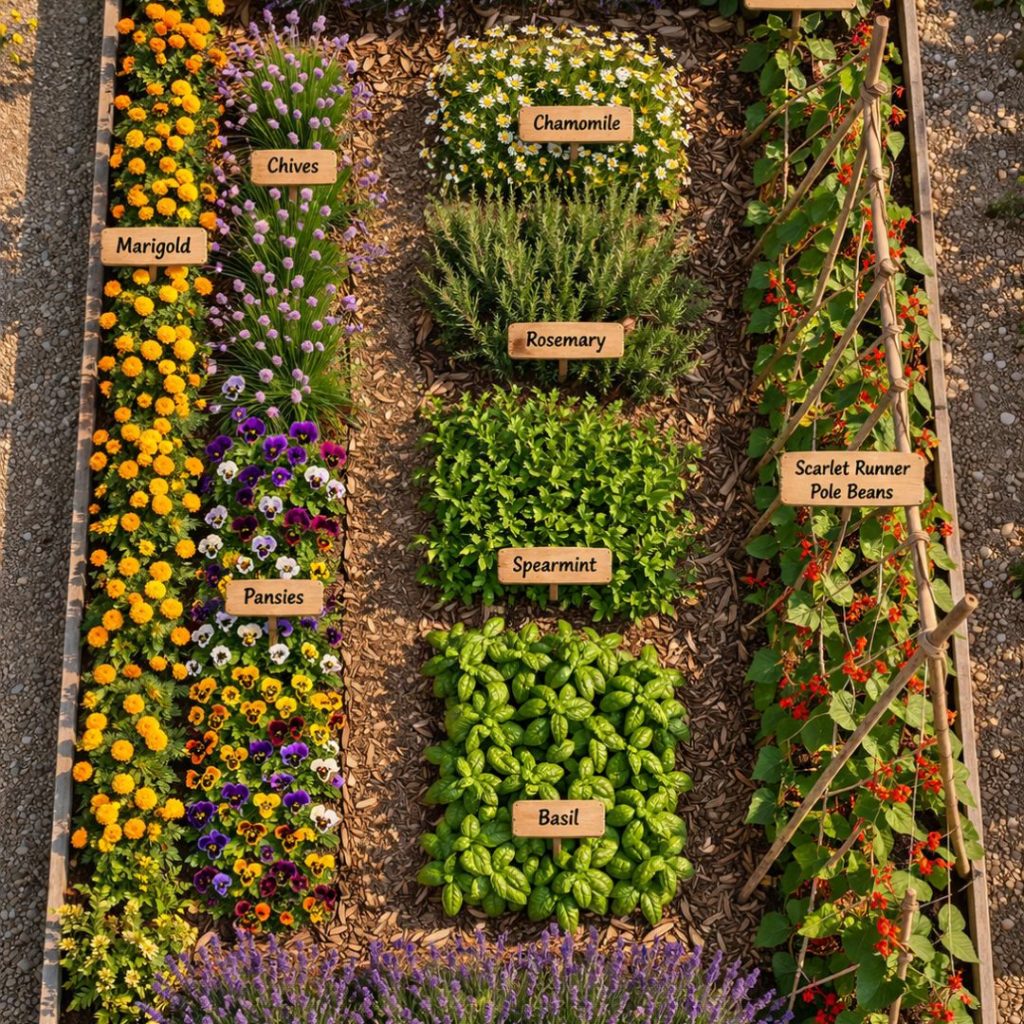
The Best Kind of Grocery Store: No Carts, No Lines, No Plastic

What’s Growing Here?

  • Pole Beans – Climbing vines that love to reach for the sky (and make snacking very convenient).
  • Hibiscus – Bright, beautiful flowers commonly used to make tea with a tart, refreshing flavour.
  • English Lavender – The best variety for culinary use! We even use locally grown English lavender in our Vanilla Bean Lavender Ice Cream.
  • Chamomile – Known for calming teas and digestive support. The entire flower is edible—petals and sunny yellow centers included.
  • Pansies – Edible petals and leaves packed with vitamins A & C. Often used to add a pop of colour to drinks and desserts.
  • Marigolds – Garden protectors that help keep pests away. Bonus: the petals and leaves are edible and can brighten up soups, stews, and baked goods (flavour varies by variety!).
  • Chives – Mild onion flavour you probably know and love—but the blossoms are edible too (and very pretty).
  • Rosemary – A fragrant herb that doubles as a shrub. You can even use the sturdy stems as natural skewers. Fancy.
  • Spearmint – Not just gum flavour! Great for digestion and a refreshing addition to drinks and dishes.
  • Basil – A garden classic with surprising variety—there are an estimated 50–150 different types!


The Roots of Sustainability

Welcome to the most productive patch of dirt on the farm. Our Edible Garden is designed to show that food doesn’t just come from a plastic container. It comes from a complex, sun-powered system. Every plant in this space is either a direct snack (like your Doritos only healthier) or a vital ingredient for something delicious. Growing your own food, even just a few herbs or a patch of kale, reduces your carbon footprint and connects you to the seasons. When you see how much work goes into a single tomato or a bunch of basil, you start to appreciate every bite a little bit more.


The Dandelion Defense

Let’s talk about the dandelion. It’s the ultimate misunderstood plant. For years, we’ve been told to pluck them, spray them, or mow them down, but in reality, dandelions are a superfood. The leaves are packed with vitamins (perfect for a slightly bitter salad), and the flowers can be used to make honey-like syrups or caffeine-free tea. Plus, they are the first responders for hungry bees in the spring. In this garden, there’s no such thing as a weed, only ingredients we haven’t used yet.


The Animal Wish List

If the goats had their way, this garden would be 90% roses and 10% raspberry bushes. If the alpacas were in charge, it would be a lush carpet of alfalfa. By growing a variety of edible plants, we get to enjoy new tastes and options. 


A Note for Hungry Humans

While everything here is edible, we ask that you keep your “grocery shopping” to a visual experience today. Our resident bugs, birds, and farm animals have already called dibs on the harvest. Instead, take these ideas home to your own backyard. You’d be surprised how much of your lawn is actually a hidden salad bar

All This Talk About Food Making You Hungry? Good.

Come wander through our farm market store and support some seriously incredible Ontario producers. We have over 100 of them, to be exact. We’re talking shelves packed with specialty goat cheeses, our award-winning goat milk ice cream (yes, it’s as good as you’re hoping), plus preserves, sauces, honey, snacks, farm-fresh eggs, and gift items that didn’t come from a sad grocery store aisle. Basically, if it’s delicious, local, and unique - you’ll find it here.

Goodbye For Now... But Not Forever

Congratulations! You made it to the end of the trail and are now an Udderly Ridiculous Trailblazer! You’ve walked the paths, met the animals, and hopefully learned a few cool things along the way. At this point, you’re basically part of the farm family.

Before you leave, don’t forget to head back to the store, return your map and tell our team the secret word to claim your very official, highly exclusive, one-of-a-kind sticker.
No secret word = no sticker.
We don’t make the rules. (Okay… we do.)

We hope you’re leaving with a new appreciation for the animals and the land and that you didn't step in too much poop. This might be the end of the trail, but it’s definitely not the end of your farm era. The animals will still be here, doing their thing like the VIP's that they are (and probably wondering where you went). There’s always more to see, learn, and laugh about next time. So this isn’t really goodbye. It’s more of a “see you again soon.”

Business Hours:
May-Oct: Wednesday-Sunday 10am-5pm
Nov-Apr: Friday-Sunday 10am-5pm
Experiences may fall outside of these hours.
Sign up for our monthly email newsletter for ridiculous updates

Be the first to know about special promotions, new experiences, farm & animal updates, 

and just ridiculous content!

Subscribe

* indicates required
/ /( dd / mm / yyyy )
We won't email you if you're younger than 18!

Alpaca experience and workshop

Meet our alpacas, hand-feed them, and craft an eco-friendly bird nesting ball in a warm barn!

Alpaca experience and workshop

Meet our alpacas, hand-feed them, and craft an eco-friendly bird nesting ball in a warm barn!